

Light Painting 101
I took the time the past two weeks to take a shallow dive into what light painting is, what it’s used for, the pros and cons of using it, and why you should learn how to use light painting to advance your photography!
I took the time the past two weeks to take a shallow dive into what light painting is, what it’s used for, the pros and cons of using it, and why you should learn how to use light painting to advance your photography!

How I Plan, Shoot, and Edit Light Painting Images!
How I begin the process of shooting pictures of different objects with light painting.
A short video showing my process from start to finish of an image using light painting!
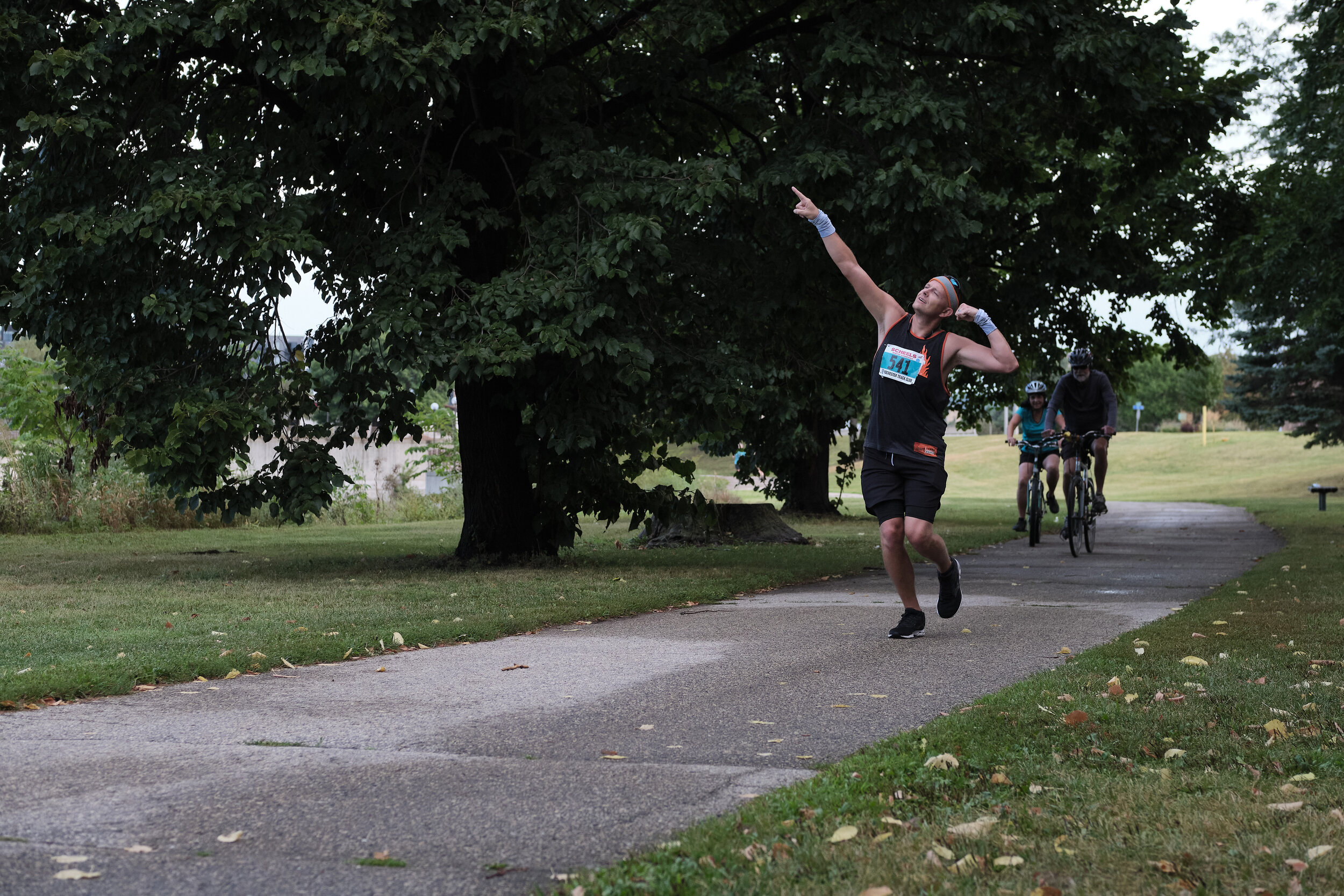
Healthy Human Race 2020!
A collection of photos from the Healthy Human Race of 2020, sponsored by Scheels. Located in Rochester, Minnesota every August!




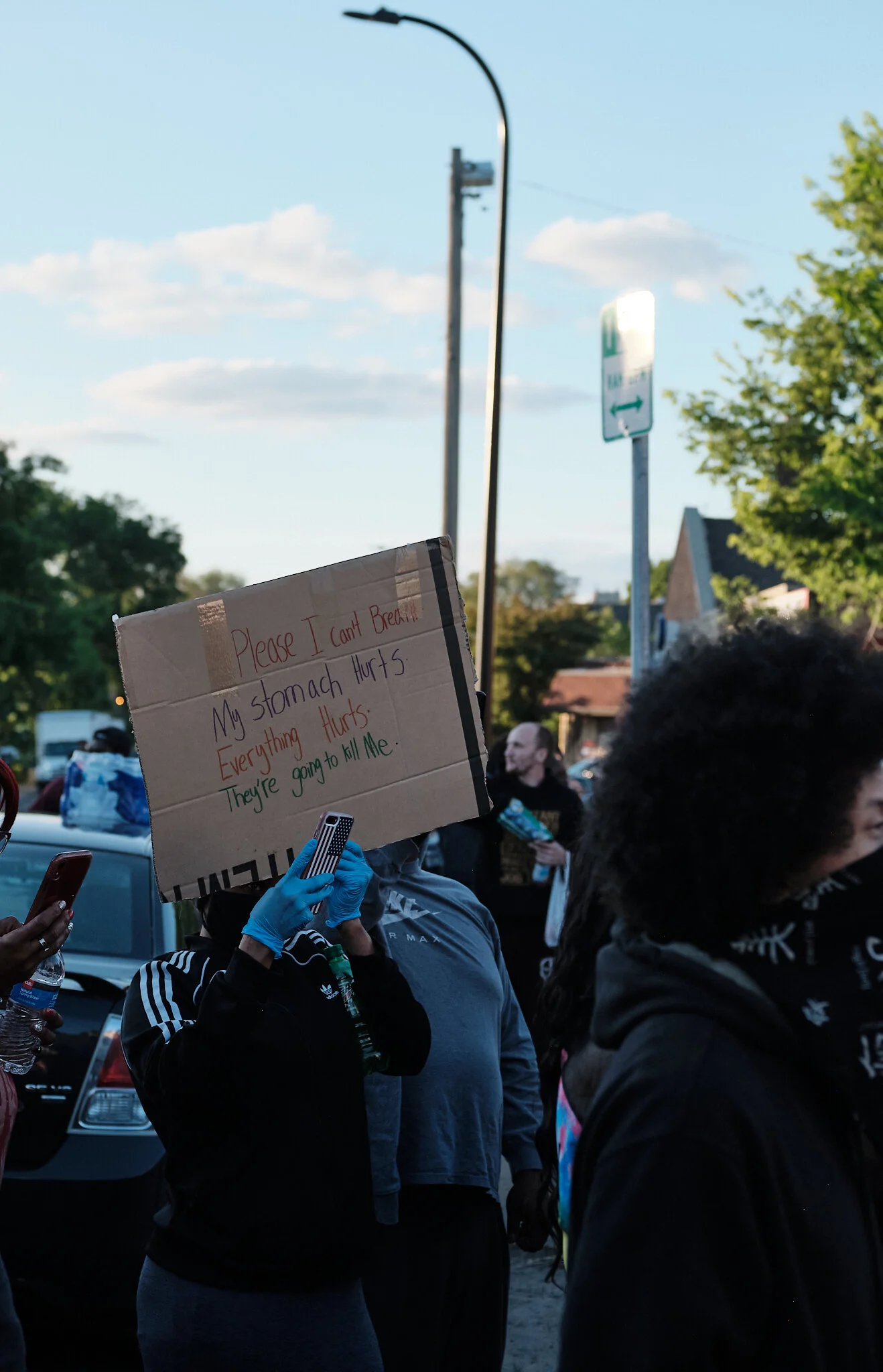
Minneapolis Protests of May 29th, 2020
Photos taken during the protests in Minneapolis, Minnesota on May 29th, 2020.

I’m just going to let the photos speak for themselves and let them be heard.







Short Term Review of the Leica M3
The Leica M3 is one of the most fabled cameras in the film community. It was the first camera I bought once I started shooting film again in the summer of 2018. I bought both the body and lens I have on eBay for pretty cheap, but ended up sending them off to be fully serviced so they would be in good working order.

The Leica M3 is one of the most fabled cameras in the film community. It was the first camera I bought once I started shooting film again in the summer of 2018. I bought both the body and lens I have on eBay for pretty cheap, but ended up sending them off to be fully serviced so they would be in good working order.
A little over a year and a half later, I finally have the camera back, and have put four rolls of film through it so far. I’ll go over some of the generic details of the camera and lens and a little bit about my specific ones.
The Basics
The Leica M3 was manufactured from 1954, all the way to 1966. There were two different variations, a Double Stroke (DS) and a Single Stroke (SS). All that means is you either need to crank the film advance once or twice to get to the next frame of film. My version (serial number 854 256) is one of the later DS variations. They started producing the SS versions around the serial number 915xxx. Looking it up, my specific M3 was built in 1957, so is about 63 years old!
I’m not sure when or by who, but some dingle dick decided to carve another serial number into the back of the M3, below the film advance, Y932534. Probably why I got it so much cheaper than they usually sell for.
The Leica Elmarit 90mm f/2.8 was made from 1959 to 1974. It’s not great optically wide open at f/2.8, but gets better and better as you stop it down to f/5.6 or f/8. According to my serial number (1879958), my particular lens was made in 1961. It’s in pretty great condition for it’s age, and was definitely taken care of much better than my M3.
All of the following images were shot with Ilford HP5+, developed at home with Ilford HC-110 (dilution B) and scanned with an Epson V750.

Red Wing, Minnesota.

Wide open at f/2.8, not super sharp but it does the job.

Shot around f/8, in a mostly dead downtown Rochester.

STICK!!!

*not sure if bugs or dust*

Lines and leaves are artsy right?
Overall, I’ve really enjoyed using this set up so far, but I’m not really sure it’s the camera for me in the long run. It’s an absolute marvel of German engineering so very beautiful thing to look at, but in day to day use, it’s not very practical for my needs and how I shoot. I’ll take it on some more hikes in the coming months with some color film and really try and put it through its paces. Fully manual cameras really do shine when you have static objects to shoot.
We’ll see if I can get some more shots I’m proud of down the road, and hopefully some portraits that aren’t of Miah. I’ll end this mini review with a shot I somehow got of Miah running towards me with one of her toys.

Feel free to sponsor us Jolly Pet.