
5 Frames With the Mamiya M645 1000s and Mamiya-Sekor C 55mm f/2.8
My dive into medium format film was hard and fast. Less than two months after I started shooting film again, and after buying a Leica M3, I found this beauty of a Mamiya M645 set up on eBay.
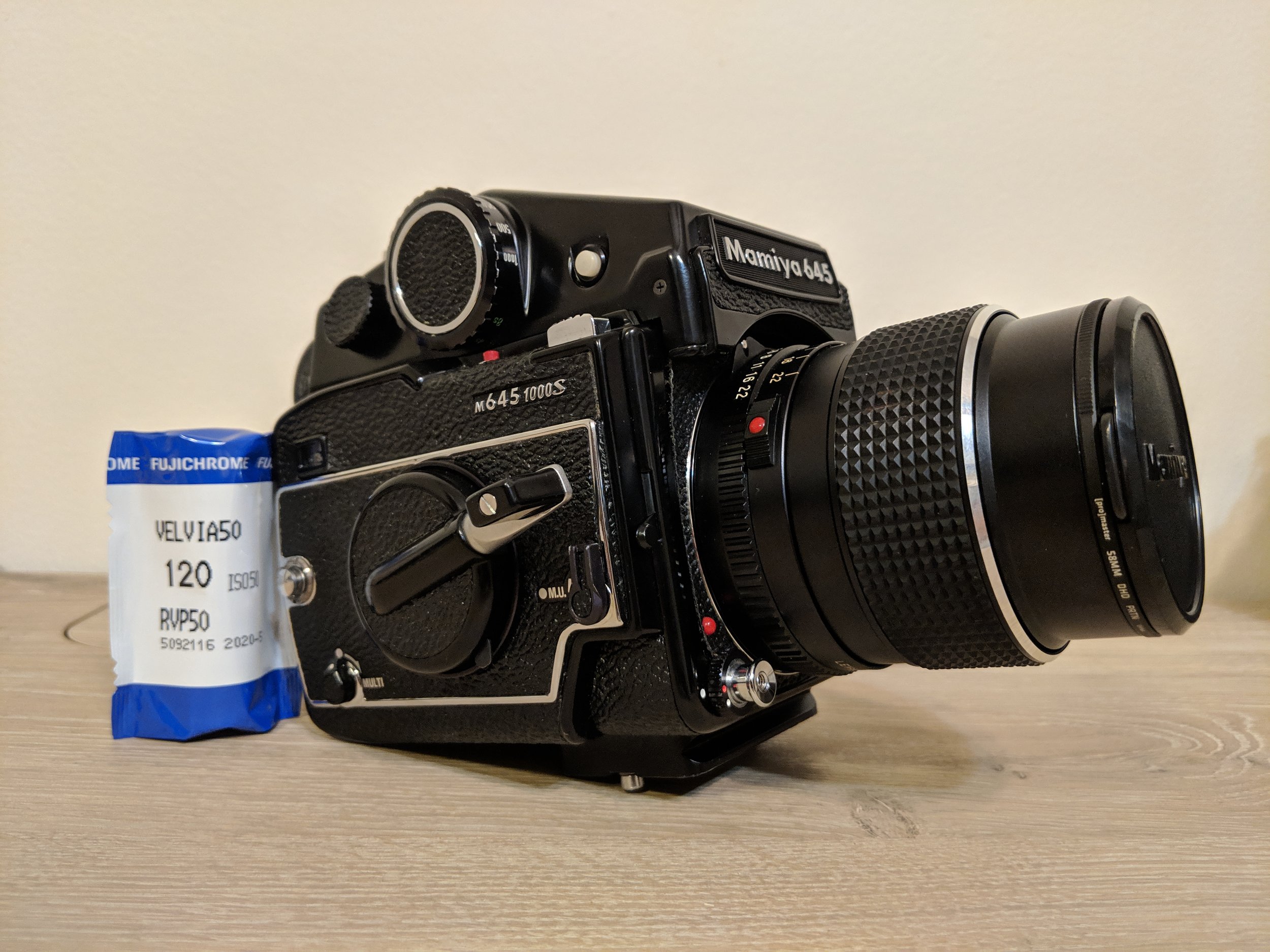
My dive into medium format film was hard and fast. Less than two months after I started shooting film again, and after buying a Leica M3, I found this beauty of a Mamiya M645 set up on eBay. It originally came with the 80mm f/2.8 but I wanted to go a little wider. The 55 f/2.8 offers a full frame equivalent of about 36mm. This lens has barely left the camera, and allows me to hand hold most shots at 1/60th of a second with ease.
The lens itself is small and decently light for being mostly metal and glass, where as the body weighs at least two and a half pounds with the metered prism attached. It's a honker, that's for sure. The body is solidly built, the mirror is massive and claps loudly when either of the shutters is pressed. The 1000s has a mirror up lever (highly suggested for slower speeds) and a multi-exposure opposite of the mirror up. I haven't experimented with how many exposures are possible, but I imagine it could go on endlessly if necessary. Shutter speeds range from 1/1000th of a second to 8 seconds. The multi-exposure lever could be utilized for astrophotography if need be. It's not my favorite camera to lug around, but it certainly gets used the most.
It produces 15 images when 120 film is used, 30 with 220. Each negative is 56mm by 42mm, so not quite 6x4.5. Since the shutter button located on the front of the body is rather touchy, I would highly recommend locking it after each carefully curated shot. Film in general slows you down, but medium format does so even more.
Here's to making those 15 shots count.
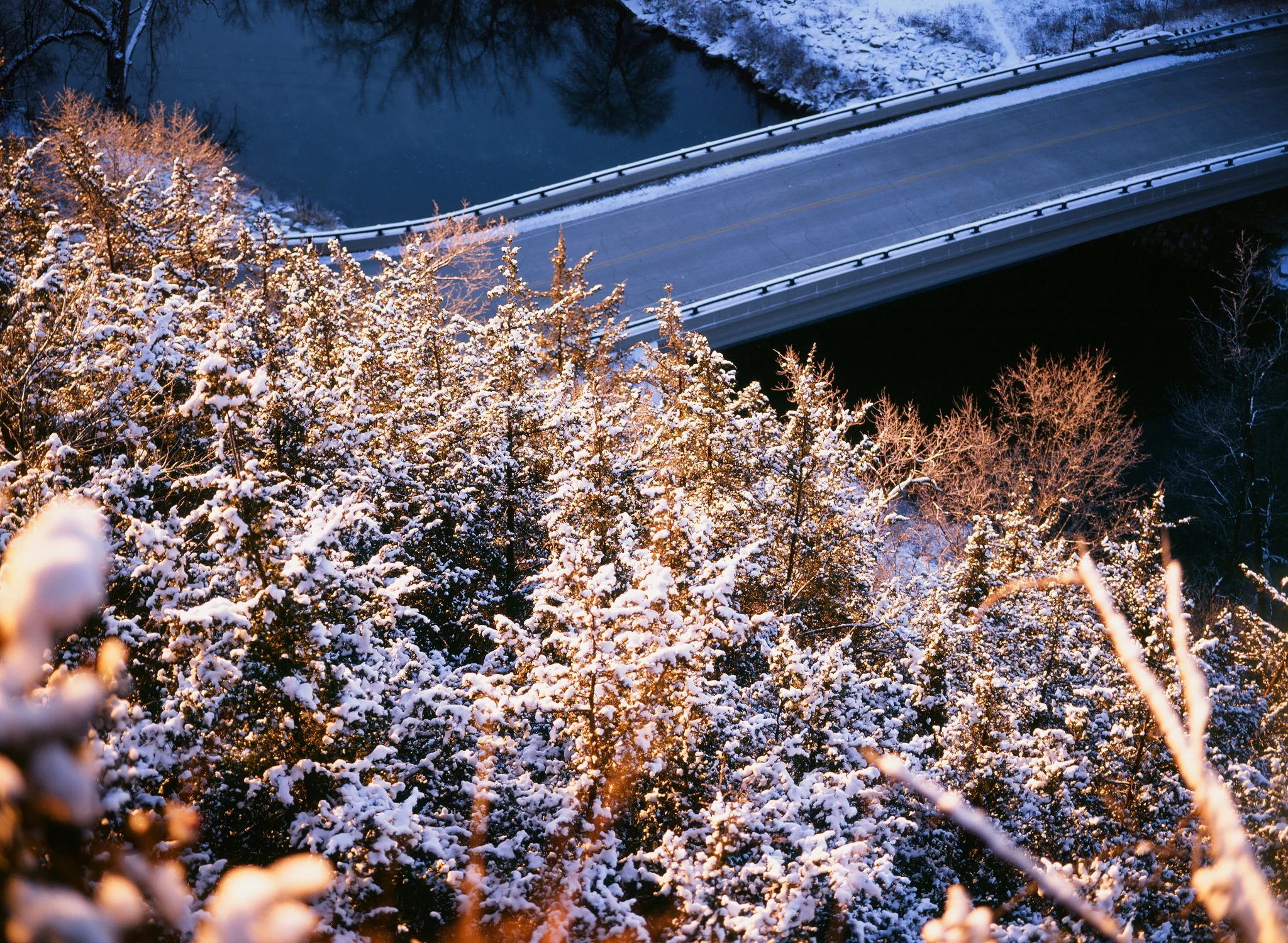
Velvia 50 - Lanesboro
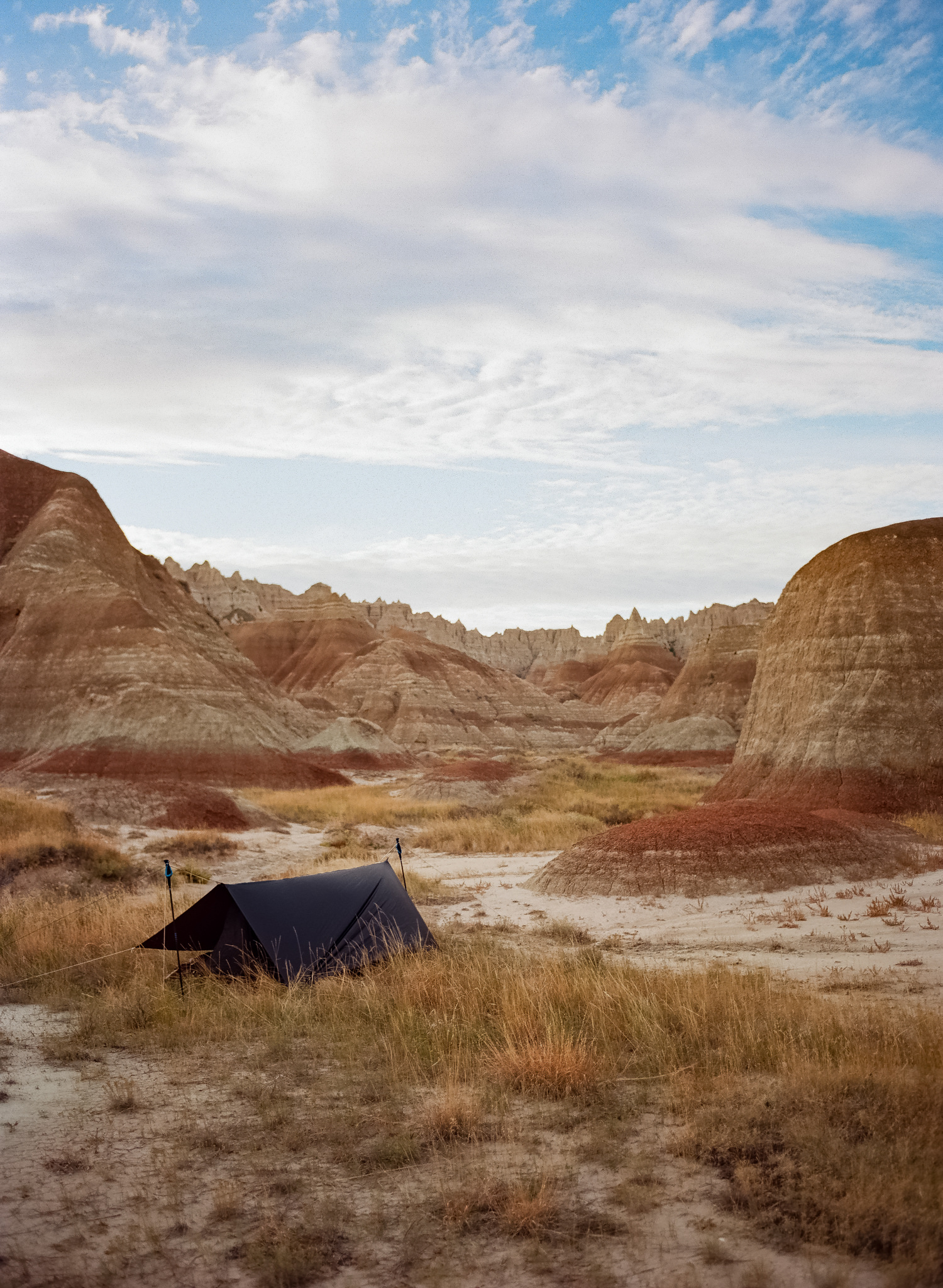
Ektar 100 - Badlands National Park

Velvia 50 - Lanesboro

Ektar 100 - Badlands National Park
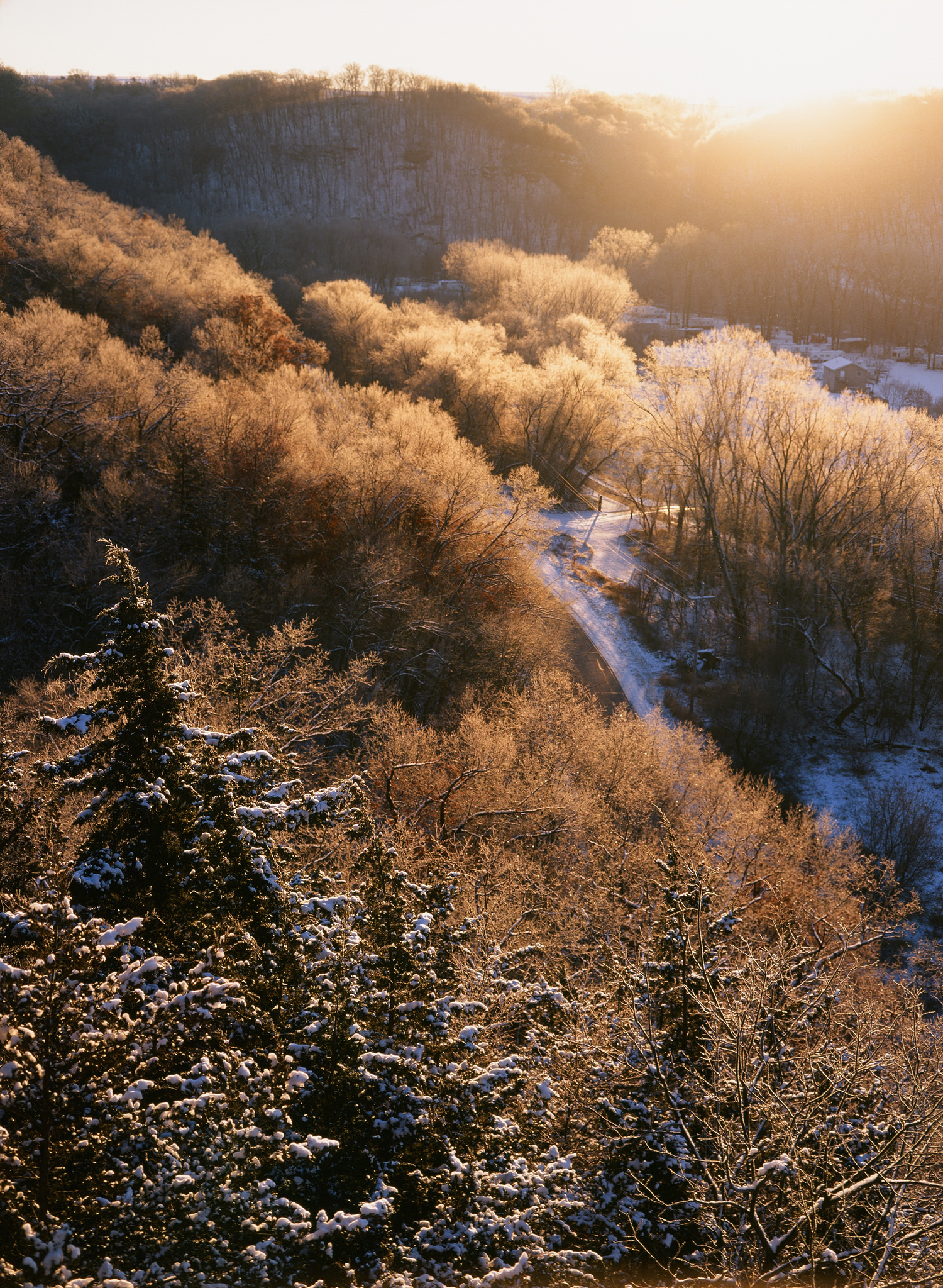
Velvia 50 - Lanesboro
6 Frames with the Canon Rebel G and 50mm f/1.8
The Canon Rebel G is not a sought-after film camera, but it’s what I was gifted for a film photography class I accidentally took in college. It was my moms’, and either well taken care of, or rarely used. It’s rather simple, with one dial to control shutter speed and aperture, a shutter button, a self-timer, different exposure modes ranging from A to M, an ISO mode to change the automatic reading of the film, exposure lock, and TTL center weighted metering.

The Canon Rebel G is not a sought-after film camera, but it’s what I was gifted for a film photography class I accidentally took in college. It was my moms’, and either well taken care of, or rarely used. It’s rather simple, with one dial to control shutter speed and aperture, a shutter button, a self-timer, different exposure modes ranging from A to M, an ISO mode to change the automatic reading of the film, exposure lock, and TTL center weighted metering. The “Nifty Fifty” paired with the G is one of the lightest set-ups I’ve come to hold in my hands. All together it weighs less than a pound (.45 kg), fits easily in a sweat shirt pocket, and is very inconspicuous when it comes to street photography with its small form.
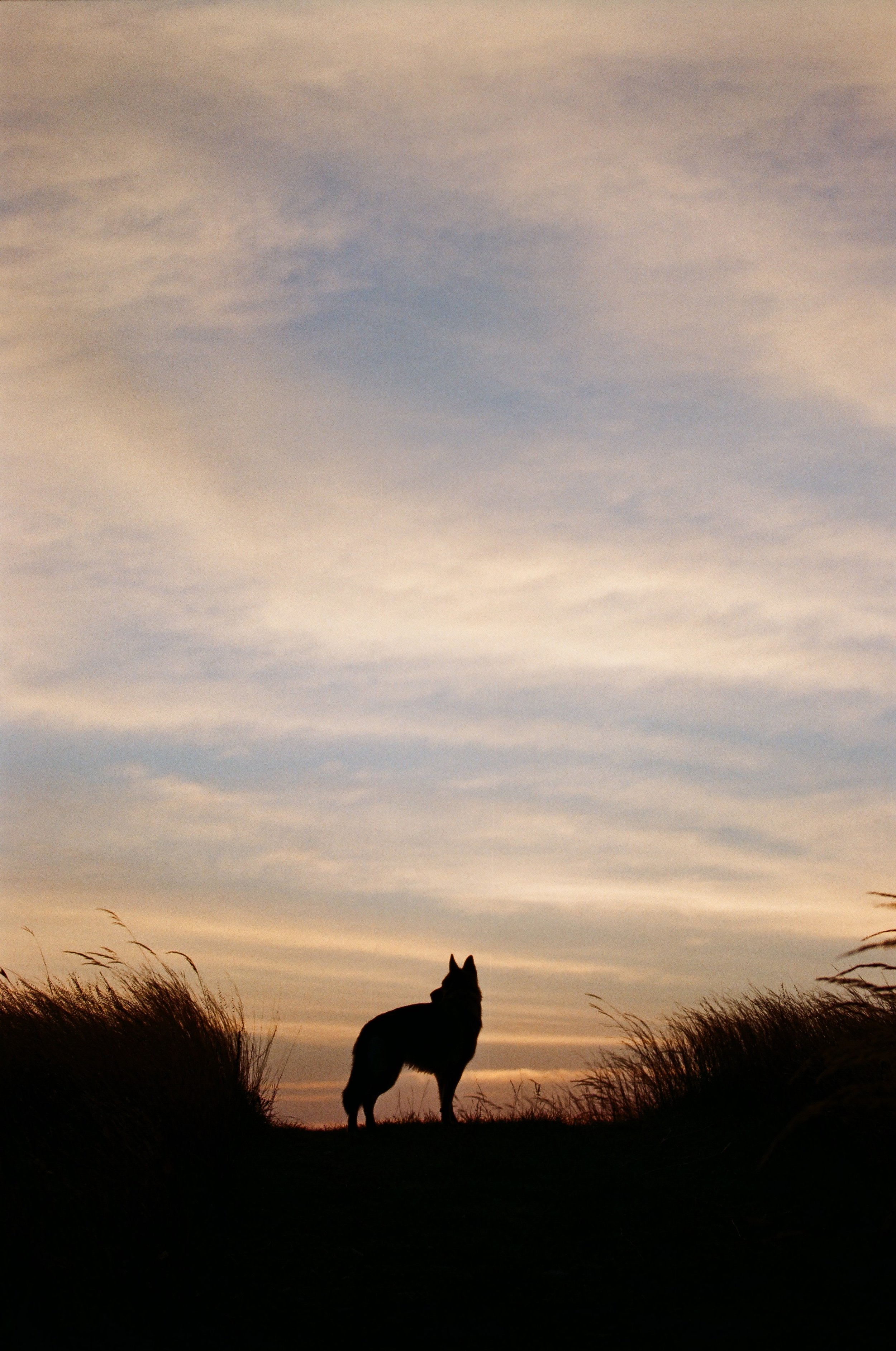
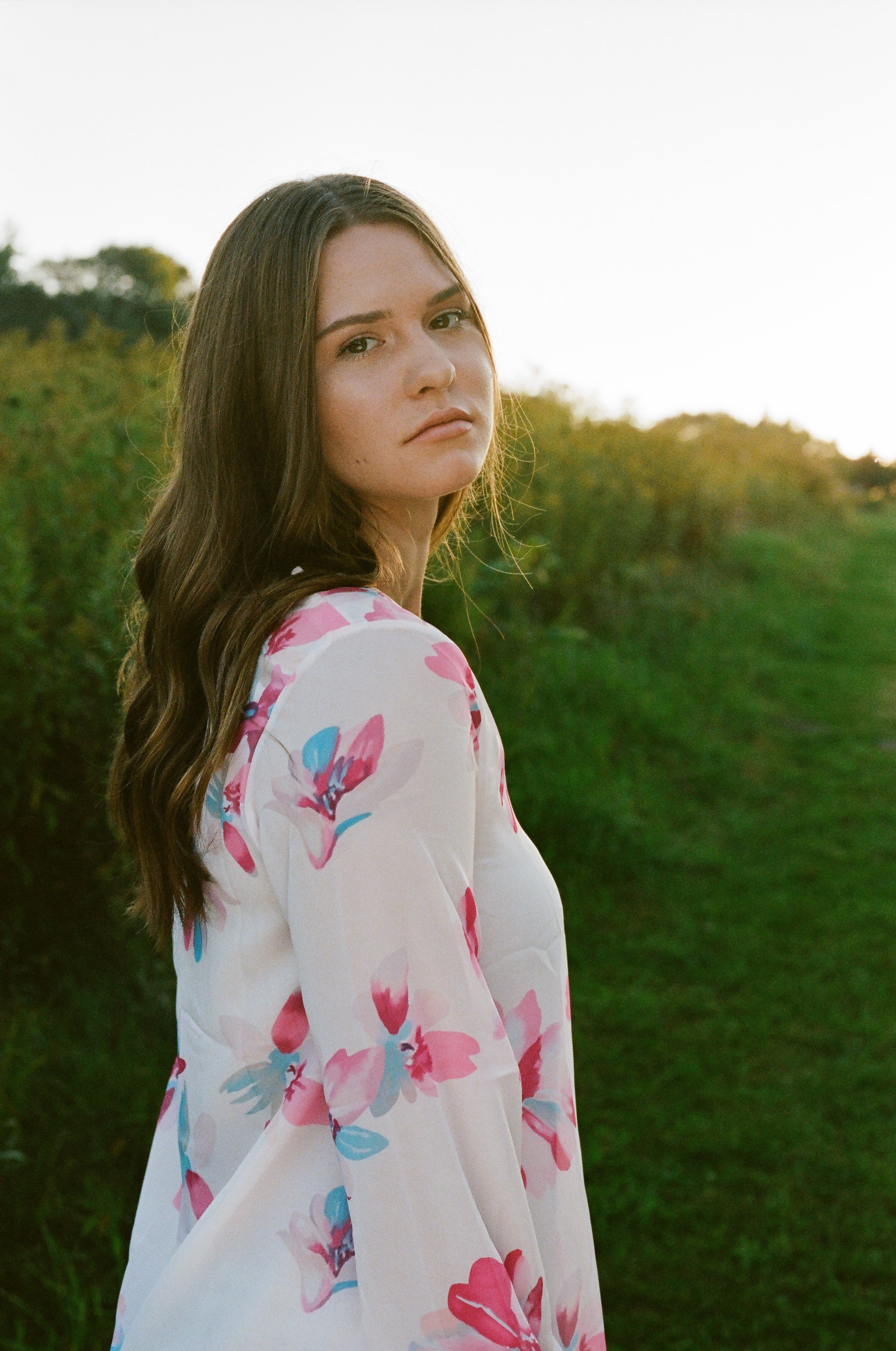
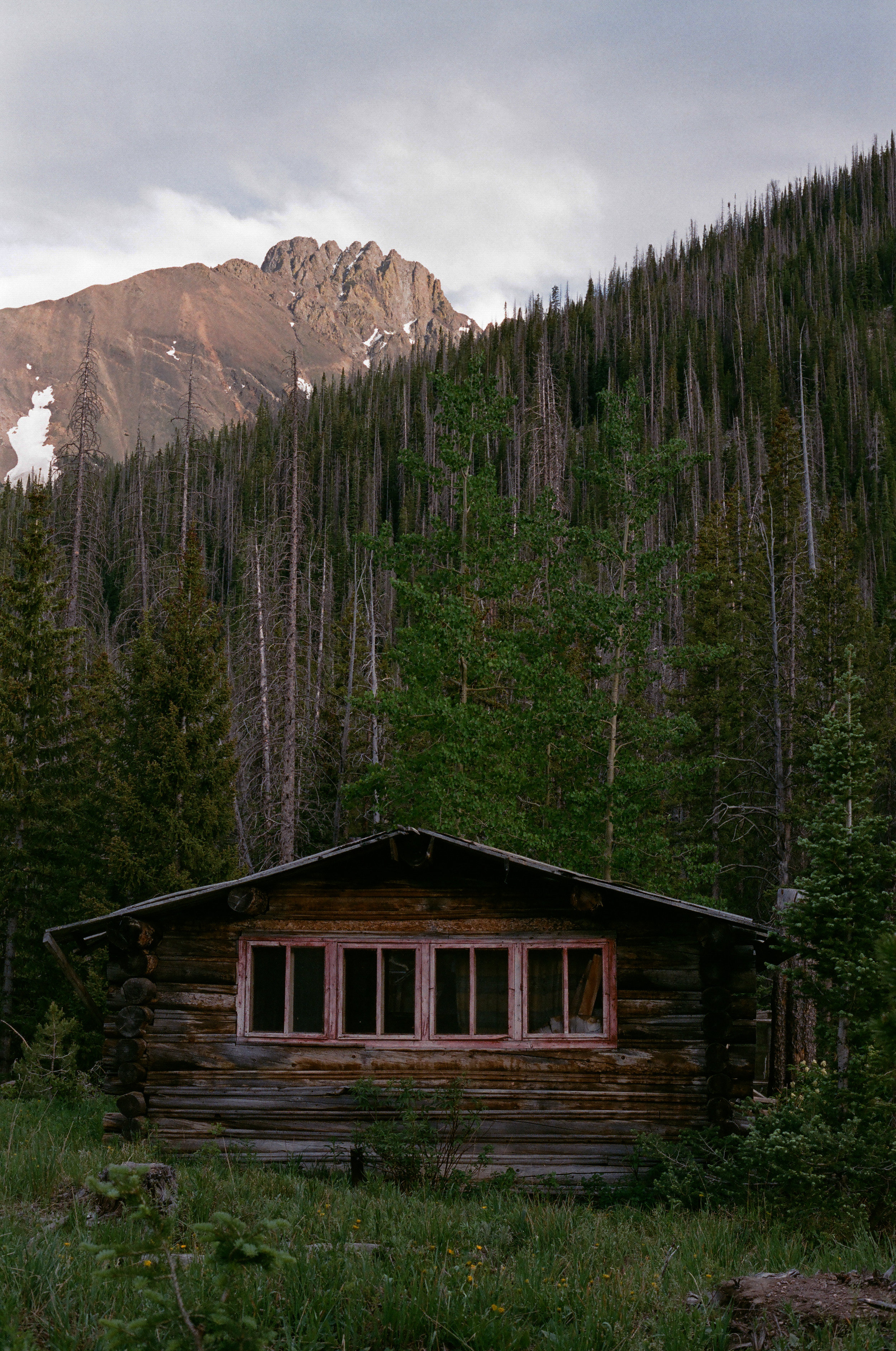
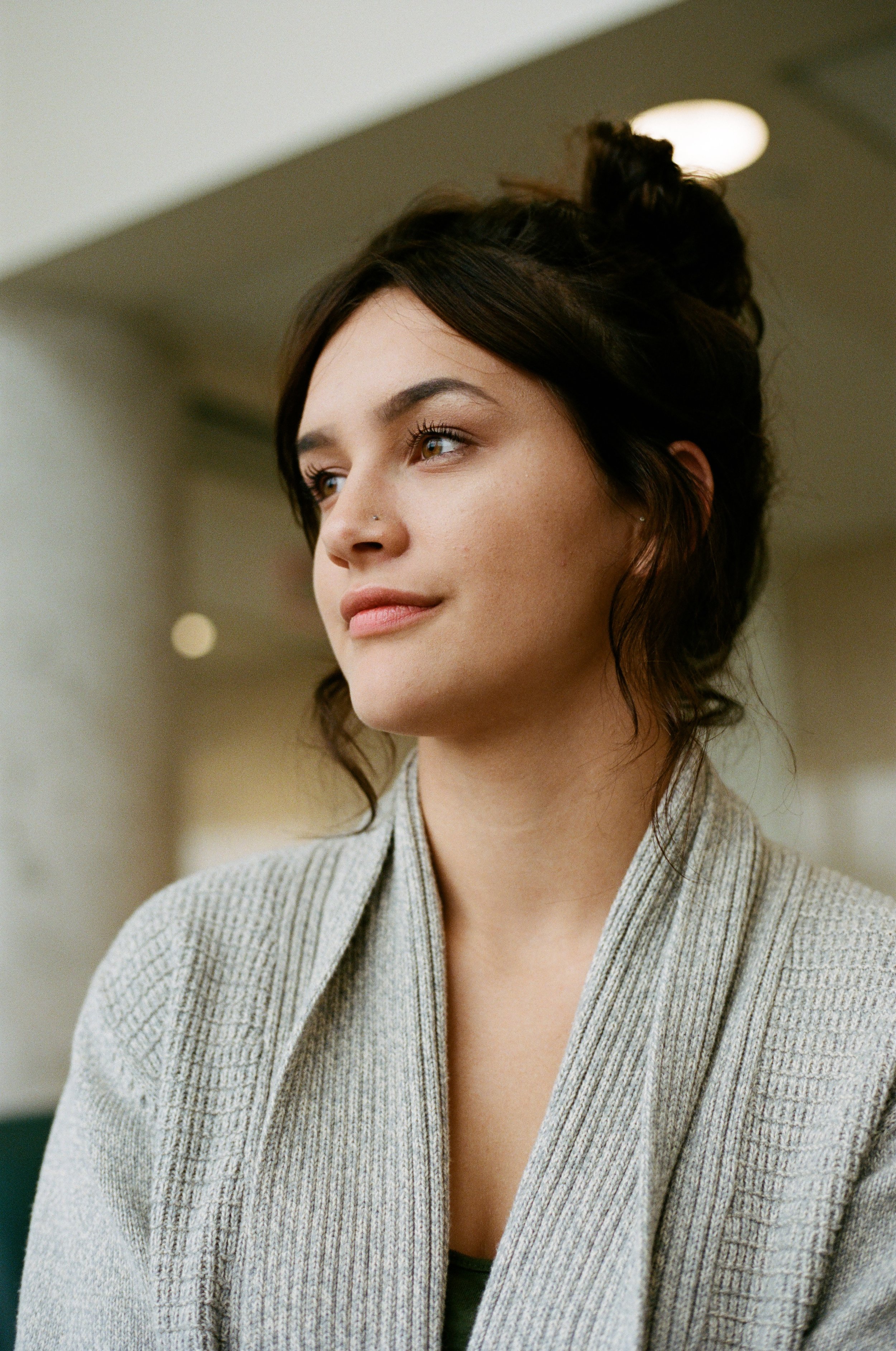
Metering is accurate, and looking through the viewfinder, it is incredibly easy to see your aperture, shutter speed, and exposure reading. Shutter speeds go up to 1/2000th of a second, and down to 30 seconds.
When popping open the back, the film goes on the left, rolls to the right, and automatically spools up on the right. As you are shooting, the film automatically rolls back into the film canister, preventing any shots taken from being ruined. I have come to love this feature, as winding up film is a pain in the ass with my Leica M3 and Mamiya 645 1000s. All and all, I’d recommend this set up to anyone looking to get into film, as the whole set up won’t cost more than $150 (less if you buy a used nifty fifty). This camera is entirely responsible for my expensive dive into film, and I wouldn’t have it any other way.
Say cheese!
In the world of portrait photography, getting a genuine smile out of someone is the most sought after moment. Capturing that moment can be incredibly hard, because most of the time, it ends up being forced. Photographers who shoot lifestyle portraits tend to let the scene play out between subjects (families, individuals, etc.), aiming to capture the moments in between direction. On the contrary, fashion photographers that have had years of practice to know how to twist, turn, and tilt their models to look as flattering as possible. Ordinary people typically don’t know how to pose, but they know how to force a smile.
Most of us grew up hearing the phrase “Say cheese!” And most times, all this accomplishes is something between the look of a nut cracker’s painted face, and a child meeting their favorite character at Disney World. It also doesn’t help that most people, if any, don’t actually like having their picture taken. I can’t stand it, so I understand when other people don’t either. When I’m taking pictures, I try and fall in the middle somewhere between lifestyle and fashion photography, certainly leaning towards the more relaxed flow of lifestyle.
Posing is a topic I’ll discuss in length, but on another day. What I’m after, for the most part, is to capture the small details that come with everyone’s own personal smile. My favorite smile is the one that follows a big laugh. Why the laugh occurred in the first place doesn’t matter. Whether it’s from a cracked joke, a failed attempt to look serious, or some other goofy situation developing nearby; all that matters is that for one split second, something made my subject happy enough for their real smile to shine through.
One thing that I’ve found helps tremendously is having my client bringing friends. I’m not talking the entire class of 2019, but two or three close friends that can make the person being photographed smile with just a look. A one on one session is incredibly awkward, so what better to loosen someone up than having their best friends with them?
Something I hope my clientele will come to expect from me is a relaxed, organic session. Having your photo taken doesn’t need to be a stressful, awkward situation. Bring your friends, don’t be afraid to be yourself, and lastly, let’s make this as fun of an experience as possible.
Some Sort of Solace
Photography came into my life at a time of complete and utter turmoil. I was depressed, and lacking the purpose I so desperately craved. My last semester in Mankato, I only took three classes, one of them being black and white film photography. If it weren’t for that class, I’m not sure where I’d be today.
There’s a weird thing about hopelessness, everything feels pointless. The only tangible evidence of being productive came to me the first time I came out of the darkroom with an image I had taken. That slightly wet piece of paper, with a picture I created, brought me a sense of purpose, something I hadn’t felt in months. I became addicted to that feeling. I should have been sleeping, but in between classes and work, I would spend hours in the darkroom. Ten hours, standing in the dark staring at an 8 by 10 piece of paper, was the minimum each week. Occasionally racking up well over 30. Having a hand in creating something from start to finish brought me a kind of joy I wasn’t familiar with. After being numb to life for so long, it was a welcoming feeling.
When I wasn’t developing film and making prints, I was sitting at the coffee shop, binge watching photography classes like people binge watch shows on Netflix. Photography became my only solace in the darkest time of my life. It kept me alive. Nowadays, after being on medication for nearly three years, photography is still one of the few things that makes me feel truly alive, truly happy. If it weren’t for my photography teacher, I would have never gotten the help I so desperately needed, or found the brightest light in my life to this day.
I’ve learned these past few years that it’s okay to not be okay, but it’s not okay to not do whatever you can to improve yourself and find the happiness that we all deserve. Photography illuminated the dark world I was living in, and helped me to find a way out.
Yesterday I took pictures of a friend’s wedding, for free. My friend Tyler, who was getting paid to photograph, told me, “I can’t believe you’re doing this for no money.” The thing is, if money wasn’t an issue, I’d do it for free all the time. Getting paid to photograph is wonderful, because it’s another for of affirmation for my work. But freezing a moment in history, especially on film, is payment enough sometimes. If you’re in a dark place, why not do whatever you can to chase that light?
How it all started
My love of photography began at a young age. I was always stealing my mom's camera for various purposes, trying to replicate what I saw in the world. When she got a new camera, I got her old one, though I still borrowed her new one quite often (sorry mom). The first time I borrowed her new one was to take pictures of the stars, and I had no idea what I was doing. I couldn't get the camera to focus on the stars like I thought it would, so I had to set the camera up in full manual mode. That moment sparked years of research into figuring out exactly how the cameras worked down to each and every setting.
I kept photographing in the years to follow, not quite knowing what I was doing. Once I enrolled in a film photography course at college, I really started to get enamored with photography as a whole; even with such "old" technology. I learned to slow down, analyze what I was doing, and get the best picture possible. After switching to digital again once I moved back to Rochester, I began to miss the process of shooting film that I had fallen in love with.
I picked up my film camera for the first time in nearly two years, and started shooting again. There is no instant gratification from film like there is with digital, and there is a lot more pressure to get it right in that moment. Though I may not be developing and printing like I used to, film has forced me to slow down, be present in the moment, and really think about my settings, lighting, composition, before I press the shutter button. Film pushes me to know what I'm doing at all times. That challenge I'm faced with during every shot is why I have returned to film. More awareness. More risk. More pressure.